
Coin collecting is a world full of surprises, where even the smallest and most ordinary coins can hold extraordinary value. Among the most iconic in American numismatics is the Lincoln Wheat Penny, first introduced in 1909 to commemorate the centennial of Abraham Lincoln’s birth. While millions of these pennies were minted over decades, certain rare varieties have become legendary. In 2026, one particular Wheat Penny continues to astonish collectors with a valuation of $224,000, proving that treasures can still be hidden in plain sight.
The Origins of the Lincoln Wheat Penny
Designed by Victor David Brenner, the Lincoln Wheat Penny marked a historic moment in U.S. coinage. It was the first circulating coin to feature a real person, symbolizing a shift in American culture and design. The obverse displays Lincoln’s profile, while the reverse features two wheat stalks framing the denomination. This classic design remained in circulation until 1958, when it was replaced by the Lincoln Memorial reverse.
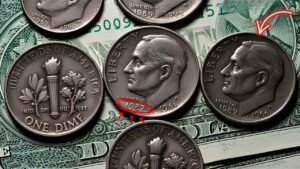
The coin was struck in bronze, composed of 95% copper and 5% tin and zinc. Over the years, the U.S. Mint produced Wheat Pennies at facilities in Philadelphia, Denver, and San Francisco, with mint marks indicating their origin. While most issues are common, certain dates and varieties stand out due to low mintage, errors, or unique historical circumstances.
The Penny Worth $224,000
The Wheat Penny valued at $224,000 is no ordinary coin. Its rarity comes from a combination of scarcity, pristine condition, and historical significance. Coins like the 1943 copper penny or the 1909-S VDB are among the most famous examples. The 1943 copper penny, struck by accident during the steel production year of World War II, exists in only a handful of known specimens, making it exceptionally valuable.
The $224,000 valuation reflects both its rarity and near-perfect preservation. Coins graded at the highest levels by professional services such as PCGS or NGC command extraordinary prices, especially when free from wear and blemishes.
Why It Could Still Be in Circulation
One of the most intriguing aspects of rare Wheat Pennies is that some may still be hiding in circulation. Many were released into everyday use, and while most have been collected or lost over time, some may remain tucked away in jars, drawers, or even pockets. Casual collectors often overlook pennies, assuming they are worthless, which means rare varieties can go unnoticed for decades.
Stories of people discovering high-value coins in ordinary places continue to inspire collectors. A single coin worth hundreds of thousands could be sitting unnoticed in a family collection or mixed with common change, fueling the excitement of coin hunting.
Key Dates and Varieties
Several Wheat Pennies are considered key dates that consistently command high prices:
- 1909-S VDB: The first year of issue, featuring the designer’s initials. Scarce and highly collectible.
- 1914-D: Low mintage from the Denver Mint, valued in the thousands depending on condition.
- 1922 No D: Produced without the Denver mint mark due to a worn die, making it rare.
- 1931-S: With a mintage under one million, a significant rarity.
- 1943 Copper Penny: Struck in copper instead of wartime steel, one of the most famous error coins.
- 1955 Double Die: Notable for doubled date and lettering, prized by collectors.
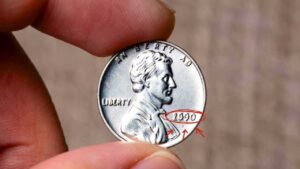
These coins illustrate why certain Wheat Pennies can achieve extraordinary valuations, with rarity and historical context driving demand.
The Role of Condition and Grading
Condition is paramount in determining value. A rare Wheat Penny in poor condition may be worth hundreds, but in mint state, it can fetch hundreds of thousands. Professional grading services assess coins based on strike quality, luster, and absence of wear. Collectors invest in grading to authenticate and preserve coins, ensuring maximum value at auctions and in private sales.
Market Value and Auctions
The $224,000 valuation has been confirmed through high-profile auctions, where competitive bidding among collectors drives prices upward. Auction houses specializing in rare coins attract international attention, ensuring the strongest bidders secure the most sought-after specimens.
Market trends also influence values. As interest in numismatics grows, rare coins continue to appreciate. The Lincoln Wheat Penny, with its iconic design and cultural significance, remains one of the most popular and collectible series, guaranteeing that rare varieties will maintain premium prices.
Lessons for Collectors
The story of the $224,000 Wheat Penny offers several key takeaways:
- Never underestimate common coins: Even pennies can hold immense value if rare and well-preserved.
- Knowledge is essential: Understanding mint marks, key dates, and varieties helps identify hidden treasures.
- Professional grading matters: Certification authenticates coins, protecting collectors from counterfeits.
Collectors should stay informed through numismatic publications, coin shows, and peer networks. The more one learns, the greater the chance of discovering overlooked treasures.
Cultural and Historical Significance
Beyond its monetary value, the Lincoln Wheat Penny carries immense cultural significance. It commemorates Abraham Lincoln and reflects the economic and political landscape of early twentieth-century America. For collectors, it provides a tangible connection to history and American identity. Each coin tells a story, and the Wheat Penny remains one worth remembering.
Conclusion
The discovery of a Lincoln Wheat Penny valued at $224,000 in 2026 has captivated the numismatic world. Its rarity, condition, and historical importance make it a true treasure. This story reminds collectors that value is not always apparent and that even the smallest coins can hold incredible worth.
For enthusiasts, the lesson is clear: examine every coin carefully. Hidden among ordinary change may be a piece of history that enriches a collection and connects us to the past. The Lincoln Wheat Penny is more than currency—it is a symbol of heritage, rarity, and the enduring fascination of coin collecting.