
The Lincoln Wheat penny, minted from 1909 to 1958, stands as one of the most iconic coins in American history. Featuring Abraham Lincoln on the obverse and two wheat stalks on the reverse, it has captured the attention of collectors for over a century. While millions were produced for everyday use, select dates, mint marks, and error varieties have become highly valuable. This guide traces the evolution of Wheat penny values, highlighting key coins and the factors that influence their worth.
The Birth of the Wheat Penny
Introduced in 1909 to commemorate Abraham Lincoln’s centennial, the Wheat penny marked a milestone in U.S. coinage as the first to feature a real person. Designed by Victor David Brenner, it quickly gained popularity. Among early issues, the 1909-S VDB stands out due to its low mintage of just 484,000 coins and distinctive designer initials. It remains one of the most sought-after coins in the series.
Key Early Dates
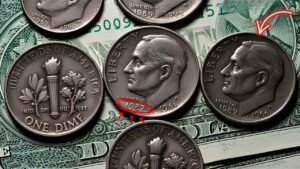
Several Wheat pennies from the first decade of minting are considered legendary:
- 1909-S VDB: Extremely rare and highly prized for its limited production.
- 1914-D: With a low mintage from the Denver Mint, it is scarce in high grades.
- 1922 No D: Struck in Denver without a visible mint mark due to a worn die, this error is a coveted collector’s item.
These early examples illustrate how low production and minting anomalies can dramatically increase value.
The 1930s and 1940s
During the Great Depression and World War II, Wheat pennies were widely circulated, yet some issues from this period remain exceptionally valuable.
- 1931-S: A low mintage makes it a key date for collectors.
- 1943 Steel Pennies: Produced due to wartime copper shortages, these pennies are distinctive and widely recognized.
- 1943 Copper Penny: Struck accidentally in copper instead of steel, this error is one of the most valuable U.S. coins, with top examples selling for hundreds of thousands of dollars.
The 1950s and the End of the Series
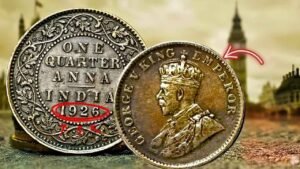
By the 1950s, Wheat pennies were common, but notable error coins elevated certain issues:
- 1955 Doubled Die Penny: Featuring dramatic doubling on the date and lettering, it remains highly collectible and can command thousands of dollars.
In 1958, the Wheat reverse was replaced by the Lincoln Memorial design, ending nearly five decades of production and cementing the Wheat penny’s legacy.
Factors That Influence Value
Several elements determine a Wheat penny’s worth:
- Rarity: Low mintage coins and mint errors command the highest premiums.
- Condition: Mint state examples far surpass circulated coins in value.
- Historical Significance: Coins linked to major events, like the 1943 steel or copper pennies, attract strong interest.
- Collector Demand: Popularity within numismatic circles can drive prices higher, especially at auction.
Market Trends Over the Years
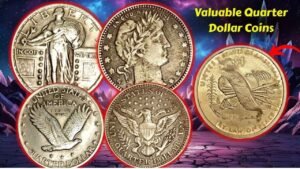
Wheat penny values have generally trended upward over the decades. Mid-20th-century collectors recognized the importance of key dates, and demand for rare coins has steadily increased. In 2026, Wheat pennies continue to achieve record prices at auctions, with both seasoned collectors and new enthusiasts fueling the market. The coins are viewed as both historical artifacts and safe investment vehicles.
Collecting Wheat Pennies
Wheat pennies offer an accessible entry into coin collecting. Common dates remain inexpensive, while rare varieties provide thrilling challenges. Collectors often search at coin shows, online marketplaces, and estate sales. Professional grading ensures authenticity and proper assessment of condition, enhancing value and confidence in purchases.
Famous Auction Sales
Several Wheat pennies have achieved remarkable auction results:
- 1943 Copper Penny: Over $1 million in top condition.
- 1909-S VDB and 1914-D: Frequently sell for tens of thousands of dollars.
These sales underscore the enduring appeal and investment potential of Wheat pennies.
Tips for New Collectors
- Learn key dates, mint marks, and varieties.
- Examine coins closely for errors using magnification.
- Join coin clubs or communities for guidance and networking.
- Prioritize enjoyment of the hobby alongside financial considerations.
Key Highlights
- Minted from 1909 to 1958, featuring Lincoln and wheat stalks.
- Rare early dates include 1909-S VDB, 1914-D, and 1922 No D.
- The 1943 copper penny and 1955 doubled die are highly valuable.
- Value depends on rarity, condition, and collector demand.
- Auction records demonstrate market strength and investment potential.
- Accessible for beginners while offering challenges for advanced collectors.
Conclusion
The Wheat penny series is a cornerstone of American numismatics. From its inception in 1909 to its final year in 1958, it has fascinated collectors worldwide. Rare dates and errors have turned ordinary cents into treasures worth millions, while common issues remain beloved collectibles. For enthusiasts, Wheat pennies provide both historical insight and financial opportunity. Their timeless appeal ensures they will continue to be cherished, making them a lasting symbol of numismatic passion.