
The Lincoln Wheat Penny is a cornerstone of American numismatics. Introduced in 1909 to honor Abraham Lincoln’s centennial, it quickly became a collector favorite. Featuring Lincoln’s portrait on the obverse and two wheat stalks on the reverse, the coin remained in circulation until 1958. While millions were minted, certain dates, mint marks, and error varieties have become extraordinarily rare and valuable, with some examples commanding tens of thousands of dollars today. This guide explores the top 100 most valuable Wheat Pennies and provides insights for collectors.
The Origins of the Wheat Penny
Designed by Victor David Brenner, the Wheat Penny marked the first time a U.S. coin featured a real person. Struck in bronze composed of 95% copper and 5% tin and zinc, the penny was minted at Philadelphia, Denver, and San Francisco, with mint marks indicating its origin. While most issues are common, low-mintage coins, unique errors, and historically significant varieties form the backbone of the top 100 list.
Key Dates and Rare Varieties
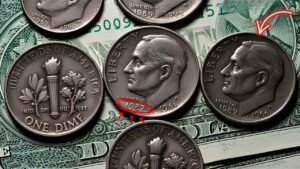
Certain Wheat Pennies stand out for their rarity and historical importance:
- 1909-S VDB: The first-year issue, with designer Brenner’s initials on the reverse. Only 484,000 were minted at San Francisco, making it one of the series’ most prized coins.
- 1914-D: Fewer than 1.2 million were minted in Denver. High-grade specimens are exceptionally valuable.
- 1922 No D: Due to a worn die at the Denver Mint, some coins were struck without the “D” mint mark, creating a rare collectible.
- 1931-S: With a mintage under 900,000, this coin is a must-have for serious collectors.
- 1955 Double Die: Featuring doubled lettering on the obverse, this iconic error coin is highly sought after.
Other notable examples in the top 100 include:
- 1909-S without VDB – scarce yet collectible
- 1911-S – low mintage San Francisco coin
- 1917 Double Die Obverse – doubled details on Lincoln’s profile
- 1924-D – another scarce Denver issue
- 1936 Double Die Obverse – popular error variety
- 1943 Copper Penny – mistakenly struck in copper instead of steel
- 1944 Steel Penny – error using leftover steel planchets
- 1949-S – lower mintage San Francisco issue
- 1951-S – highly valued in premium grades
- 1958 Double Die Obverse – one of the rarest error coins in the series
Each coin tells a story about minting processes, historical circumstances, and design evolution, making them more than mere currency.
Why Condition Matters
Condition is a critical factor in determining a Wheat Penny’s value. A rare coin in worn condition may be worth hundreds, while the same coin in mint state can fetch thousands. Professional grading services, such as PCGS and NGC, assess strike quality, luster, and absence of wear. Certification not only authenticates a coin but also maximizes its auction potential.
Market Value and Auctions
In 2026, the market for Wheat Pennies remains robust. Auction houses specializing in rare coins frequently feature Wheat Pennies, drawing international collectors. Competitive bidding drives prices upward, particularly for high-grade examples and error varieties. Legendary coins like the 1909-S VDB or the 1955 Double Die can sell for tens of thousands, making them both historical artifacts and valuable investments.
Lessons for Collectors
- Never Underestimate Ordinary Coins: Even pennies can hold immense value if rare and well-preserved.
- Knowledge is Power: Understanding mint marks, key dates, and error varieties increases your chance of discovering hidden treasures.
- Invest in Grading: Professional authentication ensures credibility and protects against counterfeits.
- Stay Informed: Follow numismatic publications, attend coin shows, and engage with collector communities.
Cultural and Historical Significance
Beyond monetary value, Wheat Pennies are symbols of American heritage. They honor Abraham Lincoln and reflect early twentieth-century economic and cultural history. Collecting these coins allows enthusiasts to connect with the past while preserving tangible pieces of U.S. history. Each penny carries a narrative of craftsmanship, mistakes, and historical context that transcends its small size.
Conclusion
The top 100 most valuable Wheat Pennies represent the pinnacle of American coin collecting. Their rarity, historical significance, and condition make them highly prized among collectors. This list underscores the importance of paying attention to every coin, as hidden treasures may be tucked away in ordinary collections. The Wheat Penny is more than currency; it is a symbol of heritage, rarity, and the enduring fascination of numismatics. For collectors, these coins offer both the thrill of discovery and the satisfaction of owning a piece of history.