
Coin collecting merges history, artistry, and finance into one captivating pursuit. While most quarters in circulation hold only face value, certain rare varieties have achieved legendary status among collectors. Often overlooked in everyday transactions, these coins can be worth tens of thousands of dollars. In 2026, five rare quarter dollars stand out, with a combined value of approximately $95,000. Their rarity, condition, and historical significance reveal how ordinary pocket change can transform into extraordinary treasures.
The Origins of the Quarter Dollar
The United States quarter dollar has been in circulation since 1796, evolving through diverse designs and compositions. From Draped Bust quarters to modern Washington issues, each series reflects a chapter of American history. Quarters have been minted in silver, copper-nickel, and other alloys, with designs ranging from eagles to state commemoratives. Amidst these countless issues, a handful stand out due to low mintages, errors, or unique historical circumstances.
The 1932-D Washington Quarter
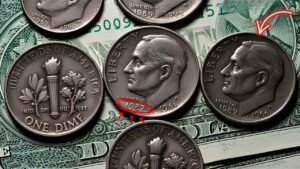
One of the most iconic rare quarters is the 1932-D Washington Quarter, part of the first year of the Washington design commemorating George Washington’s bicentennial. The Denver Mint produced a limited number of these coins, making them highly sought after. Pristine examples can fetch several thousand dollars, reflecting both historical importance and scarcity.
The 1932-S Washington Quarter
Alongside the Denver issue, the 1932-S Washington Quarter is another key rarity. Struck at the San Francisco Mint in numbers below one million, it remains one of the most prized quarters for collectors. High-grade examples often sell for thousands, and the coin’s limited mintage ensures its continued appeal.
The 1943 Silver Quarter Error
During World War II, the U.S. Mint faced metal shortages, famously producing steel pennies. Quarters continued in silver, but rare minting errors occurred. A 1943 quarter struck on an incorrect planchet or with a misaligned die creates an unusual variety highly valued by collectors. Depending on condition, these errors can fetch thousands, highlighting the unpredictability of wartime coin production.
The 1950-D/S Overmintmark Quarter
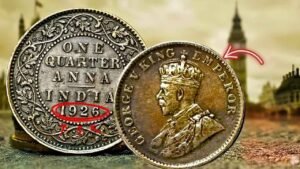
The 1950-D/S quarter is a fascinating overmintmark error, created when a Denver mint mark was stamped over a San Francisco mint mark. This distinctive coin attracts collectors for its rarity and historical curiosity. Mint state examples command high prices, demonstrating how small minting mistakes can yield extraordinary value.
The 1964 Silver Quarter
The 1964 silver quarter represents the end of an era. It was the last year quarters were struck in 90% silver before the transition to copper-nickel clad coins. While millions were produced, certain varieties and high-grade examples remain rare. Proof coins or those with unique errors can sell for thousands, further adding to the collective valuation of these five quarters.
Why Most Collectors Miss Them
Despite their value, many collectors and casual enthusiasts overlook rare quarters. Quarters are ubiquitous, so it’s easy to assume they carry little worth. Moreover, the subtle differences between rare and ordinary coins—mint marks, errors, or dates—require careful inspection. Without specialized knowledge, many valuable quarters remain unnoticed in collections or loose change.
The Role of Condition and Grading
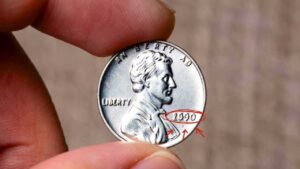
Condition is paramount in determining a coin’s value. A rare quarter in circulated condition may be worth hundreds, while a mint state version can reach thousands. Professional grading services assess strike quality, luster, and wear. Authentication not only ensures credibility but also enhances auction potential, maximizing returns for collectors.
Market Value and Auctions
The $95,000 valuation for these five quarters reflects their combined rarity and condition. Specialized auction houses attract international collectors, driving competitive bidding and raising prices. As interest in coin collecting grows, rare quarters continue to appreciate, making them attractive both as investments and as historical artifacts.
Lessons for Collectors
- Never underestimate common coins: Even quarters can hold extraordinary value if rare and well-preserved.
- Knowledge is essential: Understanding mint marks, key dates, and errors increases the likelihood of discovering hidden treasures.
- Professional grading matters: Authentication protects against counterfeits and ensures accurate valuation.
- Stay informed: Follow numismatic publications, attend coin shows, and engage with collector communities to stay ahead.
Cultural and Historical Significance
Beyond monetary value, rare quarters are cultural touchstones. They commemorate milestones such as Washington’s bicentennial and reflect challenges like wartime minting shortages. Each coin offers a window into the economic, political, and artistic realities of its era. For collectors, these coins serve as tangible connections to America’s broader historical narrative.
Conclusion
The revelation that five rare quarter dollars collectively reach $95,000 underscores the hidden value in everyday coins. Their rarity, condition, and historical significance make them treasures often overlooked by casual collectors. The story of these quarters reminds us that value is not always obvious. Even ordinary coins can hold extraordinary worth, offering collectors a blend of financial reward and historical connection. Paying attention to details, learning about minting variations, and preserving coins carefully can turn everyday change into a collection of unparalleled significance.