
The Bicentennial Quarter, minted in 1975 and 1976 to celebrate the 200th anniversary of American independence, stands as one of the most iconic coins in U.S. history. Featuring a reverse design with a colonial drummer and a torch surrounded by thirteen stars, it perfectly captured the patriotic spirit of the nation. While most Bicentennial Quarters are common and worth only face value, rare error coins have become highly sought after among collectors. These unusual pieces, created by mistakes during the minting process, can command impressive sums at auctions. This guide explores the rare 1976 Bicentennial Quarter errors, their varieties, and why they are so valuable.
The Bicentennial Quarter Design
The design of the Bicentennial Quarter was selected through a national competition. Jack L. Ahr’s colonial drummer motif was chosen to symbolize the revolutionary spirit of 1776. The obverse retained George Washington’s portrait, while the reverse featured the drummer alongside the torch and thirteen stars. Struck in both copper-nickel and 40% silver versions, the coin’s widespread production makes most examples common, but error coins stand out as true treasures.
Common Bicentennial Quarters
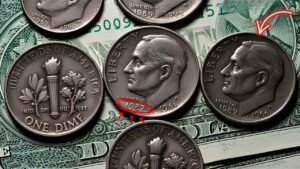
Hundreds of millions of Bicentennial Quarters were produced, making them easy to find in circulation. Standard copper-nickel issues are typically worth only twenty-five cents, while uncirculated examples may fetch a few dollars. Silver collector versions command higher values, often selling for several dollars depending on condition. The real excitement, however, lies in the rare errors that escaped quality control during minting.
Double Die Errors
One of the most notable error types is the doubled die variety. This occurs when the coin die is misaligned, causing design elements to appear doubled. On Bicentennial Quarters, doubling may be visible on the lettering, numerals, or even the drummer’s details. These coins are highly prized by collectors, with values ranging from hundreds to thousands of dollars depending on the clarity of the doubling and overall condition.
Off-Center Strikes
Off-center strikes happen when a coin blank is misaligned in the press, resulting in a design that is shifted from the center. The value of these errors varies with the severity of the misalignment. Coins with dramatic off-center strikes that still display the date and design are particularly desirable, often selling for several hundred dollars or more.
Wrong Planchet Errors
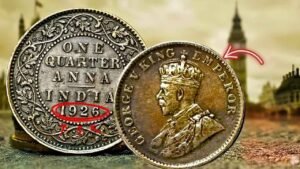
Occasionally, Bicentennial Quarters were struck on the wrong planchet, meaning a coin blank intended for another denomination was used. Examples include quarters struck on dime or foreign coin planchets. These errors are extremely rare and highly collectible, often achieving thousands of dollars at auction due to their uniqueness and scarcity.
Clipped Planchet Errors
Clipped planchets occur when the coin blank is improperly cut, leaving a portion of the coin missing. Bicentennial Quarters with clipped planchets are visually distinctive and sought after by collectors. Depending on the size and location of the clip, these coins can command significant premiums over standard issues.
Proof Coin Errors
Proof Bicentennial Quarters, specially struck for collectors with highly polished dies, are typically flawless. Yet, rare proof errors such as missing mint marks or doubled designs have been discovered. Because proof coins are expected to be perfect, any deviation makes them particularly valuable, often fetching prices in the thousands.
Auction Records and Market Value
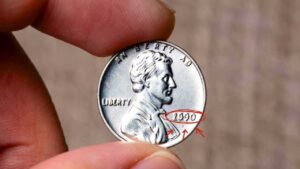
Rare Bicentennial Quarter errors have consistently sold for impressive sums at auctions. High-grade doubled die varieties and dramatic off-center strikes attract competitive bidding. Wrong planchet errors, in particular, have achieved record prices due to their extreme scarcity. While most Bicentennial Quarters remain common, these errors demonstrate the potential for extraordinary value.
How to Identify Valuable Errors
Collectors seeking valuable Bicentennial Quarters should carefully examine coins for unusual features. Signs to look for include doubling, off-center strikes, missing details, or clipped edges. Silver issues can be distinguished by their weight and edge appearance. Consulting professional grading services or numismatic experts is recommended to verify authenticity and assign accurate value. Proper identification is critical, as minor imperfections are often mistaken for genuine errors.
Collecting Bicentennial Quarters
Collecting Bicentennial Quarters offers a rewarding blend of history and discovery. Many collectors begin with common copper-nickel issues before seeking silver versions and rare errors. Building a comprehensive set that includes both standard and error coins can be challenging but immensely satisfying. The unique design and historical significance of the Bicentennial Quarter make it a favorite among numismatists.
Preservation and Care
Maintaining coin condition is essential for preserving value. Quarters should be stored in protective holders to prevent scratches and exposure to moisture. Handling should be minimized, and cleaning avoided, as it can reduce value. Professional grading provides an official assessment of condition and authenticity, enhancing a coin’s market appeal. Error coins in excellent condition are particularly prized.
Conclusion
The 1976 Bicentennial Quarter is more than a commemorative coin—it is a piece of American history. While most examples are common, rare error varieties transform ordinary quarters into highly valuable collectibles. From doubled dies to wrong planchet strikes, these unusual coins capture the imagination of collectors and achieve remarkable auction prices. Owning a rare Bicentennial Quarter offers both historical significance and the excitement of discovery, proving that even widely circulated coins can become treasured numismatic treasures.