
Wheat pennies, officially known as Lincoln Wheat cents, have long held a special place in American numismatics. Minted from 1909 to 1958, these coins are treasured for their historical significance, iconic design, and potential investment value. Over the past decade, the market for Wheat pennies has changed dramatically. This updated guide explores how their worth has evolved since 2016, highlights key dates, and examines the factors driving appreciation.
The Historical Significance of Wheat Pennies
The Lincoln Wheat penny was the first U.S. coin to feature a real person, Abraham Lincoln, on the obverse. Its reverse, displaying two wheat stalks framing the denomination, symbolized prosperity and agricultural heritage. Introduced in 1909 to commemorate Lincoln’s centennial, the coin quickly became a favorite among the public. Over time, certain mint marks and dates gained rarity, fueling collector demand. Their enduring appeal lies in the perfect combination of artistry, history, and scarcity.
Wheat Penny Values Ten Years Ago
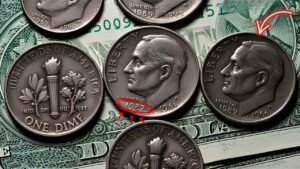
In 2016, Wheat pennies were already popular, but values were relatively modest compared to today. Common dates from the 1940s and 1950s could be acquired for mere cents to a few dollars, depending on condition. Key rarities, however, commanded higher prices.
- 1909-S VDB: Sold for several hundred to a few thousand dollars
- 1914-D: Valued between $500 and $2,000 depending on grade
- 1955 Doubled Die: Priced between $1,000 and $5,000
Overall, the market was steady, and collectors appreciated Wheat pennies as affordable entry points into coin collecting.
Wheat Penny Values in 2026
Today, the market for Wheat pennies has grown substantially. While common dates remain inexpensive, high-grade coins now command significantly higher prices.
- 1909-S VDB: Now reaches tens of thousands of dollars in pristine condition
- 1914-D: Top-grade examples can sell for over $10,000
- 1955 Doubled Die: Collector favorites, ranging from $5,000 to $25,000 depending on condition
- 1943 Copper Penny: Extremely rare, with values in the hundreds of thousands
Even mid-grade coins have appreciated, reflecting rising interest in numismatics and the scarcity of well-preserved examples.
Factors Driving Value Changes
Several factors have contributed to the increase in Wheat penny values over the past decade:
- Growing Collector Demand: Online marketplaces and social media communities have made coin collecting more accessible
- Scarcity of High-Grade Coins: Most surviving pennies show wear from circulation, making pristine examples rarer
- Economic Conditions: Investors view rare coins as alternative assets, boosting market interest
- Cultural Nostalgia: Lincoln and mid-20th century Americana continue to attract enthusiasts
Key Dates and Their Value Trends
Some Wheat pennies stand out for their rarity and historical importance:
- 1909-S VDB: From a few thousand dollars to tens of thousands in top condition
- 1914-D: Prices have doubled or tripled; high-grade coins exceed $10,000
- 1922 No D: Error variety growing steadily, valued in the thousands
- 1931-S: Low mintage; appreciated significantly, now hundreds to a few thousand
- 1943 Copper Penny: Legendary error, fetching hundreds of thousands
- 1955 Doubled Die: Collector favorite, sharp appreciation in pristine examples
Market Trends and Collector Interest
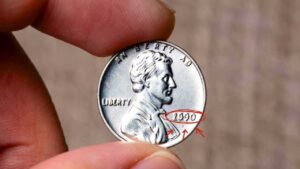
The coin market has become increasingly global, with collectors from around the world seeking American rarities. Online auctions and digital platforms have expanded access, increasing competition and driving up prices. Younger collectors, drawn to history and affordability, are entering the hobby in greater numbers. This renewed interest ensures continued growth in Wheat penny values, especially for key dates and error varieties.
Tips for Collectors
- Knowledge is Key: Learn to identify rare dates, mint marks, and errors
- Condition Matters: Focus on coins with minimal wear and strong details
- Professional Grading: Authentication ensures accurate valuation and credibility
- Patience Pays: Rare coins are not easily found but can yield extraordinary rewards
The Future of Wheat Penny Values
Looking ahead, Wheat pennies are expected to remain strong investments. As more collectors enter the market and high-grade coins become scarcer, prices are likely to continue rising. Common dates may remain accessible, but key rarities will always command premium prices. Wheat pennies offer a unique blend of historical significance and investment potential, ensuring their enduring appeal.
Key Highlights
- Minted from 1909 to 1958 and remain highly collectible
- Values in 2016 were modest, with key dates selling for hundreds to a few thousand dollars
- Today, rare pennies can reach tens of thousands or more
- Factors driving growth include scarcity, collector demand, and investor interest
- Key dates appreciating sharply: 1909-S VDB, 1914-D, 1955 Doubled Die
- Online marketplaces and global interest have expanded the collector base
- Future outlook suggests continued growth, particularly for rare varieties
Conclusion
Over the past decade, Wheat pennies have proven themselves both beloved collectibles and valuable investments. From modest prices in 2016 to record-breaking sales in 2026, these coins continue to captivate collectors worldwide. Their historical significance, rarity, and connection to Abraham Lincoln make them timeless treasures. For collectors, Wheat pennies offer the thrill of discovery and the satisfaction of owning a tangible piece of American history. As values continue to rise, they will remain a cornerstone of numismatics for generations to come.