
The Jefferson Nickel has been a cornerstone of American coinage since its introduction in 1938. Featuring the iconic Monticello building on its reverse, it is a design recognized by collectors and casual users alike. While millions of these nickels have circulated over the decades, certain rare varieties and minting errors have transformed ordinary coins into treasures worth thousands of dollars. For both enthusiasts and everyday people, the idea that a simple nickel in your pocket could hold extraordinary value is thrilling.
The Birth of the Jefferson Nickel
The Jefferson Nickel was introduced to replace the Buffalo Nickel in 1938. Designed by Felix Schlag, it features Thomas Jefferson on the obverse and his Virginia home, Monticello, on the reverse. Schlag’s depiction of Monticello has endured for decades, symbolizing Jefferson’s architectural vision and legacy. Minor design tweaks have occurred over the years, but Monticello has remained a central, recognizable feature, connecting the coin to American history.
Wartime Silver Nickels
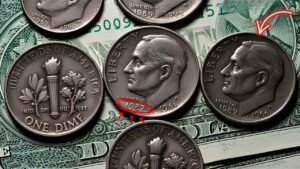
One of the most fascinating chapters in Jefferson Nickel history took place during World War II. From 1942 to 1945, nickels were struck from an alloy of silver, copper, and manganese to conserve nickel for the war effort. These wartime nickels are easily identified by the large mint mark positioned above Monticello. Due to their silver content and historical significance, they are highly prized by collectors. Certain dates and mint marks from this era can fetch impressive sums at auction.
Rare Varieties and Errors
Collectors are especially drawn to rare varieties and minting errors. Among the most famous is the 1939 doubled die reverse, where the lettering on Monticello appears doubled. Another sought-after coin is the 1950-D Jefferson Nickel, notable for its low mintage. Error coins—including off-center strikes, die cracks, or missing elements—also attract strong interest. These mistakes are inherently rare, making such nickels highly collectible and valuable.
The 1971 No S Proof Nickel
Even modern coins can hold surprising value. The 1971 proof nickel without the “S” mint mark is an example of this rarity. Proof coins are struck with special care for collectors, and the absence of the mint mark was a production error. Only a small number of these coins exist, making them ultra-rare and highly sought after. Today, they can sell for thousands of dollars, demonstrating that even relatively recent coins can become prized collectibles.
Collecting Jefferson Nickels
Jefferson Nickels offer an accessible entry point for coin collectors. Many dates remain common in circulation or at coin shops, allowing beginners to build a collection affordably. The real challenge—and excitement—lies in locating rare varieties and high-grade specimens. Collectors seek nickels with sharp details, minimal wear, and attractive toning. Professionally graded coins command higher prices, as certification ensures authenticity and condition are verified.
How to Identify Valuable Nickels
Determining a nickel’s value requires careful inspection. Key dates to watch for include 1939, 1950-D, and wartime nickels from 1942–1945. Look for unusual features such as doubled lettering, missing mint marks, or off-center strikes. A magnifying glass can help detect these subtle distinctions. Consulting coin guides or reputable online resources can further clarify which nickels are scarce. If a nickel appears rare, professional grading is the most reliable way to confirm its market value.
Market Value and Auctions
The market for rare Jefferson Nickels is robust. Auctions frequently feature high-grade examples, with prices often exceeding expectations. For instance, the 1950-D Jefferson Nickel has sold for thousands of dollars, while the 1971 No S Proof Nickel has reached even higher figures. Values fluctuate based on rarity, condition, and collector demand, making Jefferson Nickels both an exciting hobby and a potential investment.
Monticello’s Enduring Symbolism
Monticello is more than a design element—it represents Jefferson’s legacy and American heritage. Its continued presence on the nickel reinforces the coin’s historical significance, elevating it beyond ordinary currency. For collectors, Monticello adds depth to the coin, making the Jefferson Nickel a unique blend of artistry, history, and monetary value.
Everyday Treasure Hunt
One of the most appealing aspects of collecting Jefferson Nickels is the possibility of discovering a rare coin in everyday change. Unlike some collectibles locked away in vaults or museums, valuable nickels occasionally appear in circulation. Stories of individuals uncovering wartime nickels or rare varieties continue to inspire collectors, transforming ordinary transactions into thrilling opportunities for discovery.
Conclusion
The Monticello Jefferson Nickel is more than a five-cent coin. With its rich history, remarkable varieties, and potential for significant value, it has become a sought-after collectible. From wartime silver issues to rare minting errors and missing mint marks, certain nickels have achieved remarkable valuations. For collectors and casual enthusiasts alike, the Jefferson Nickel represents both a connection to America’s past and the possibility of uncovering hidden wealth. Whether searching pocket change or curating a collection, even the smallest coin can make a substantial impact.