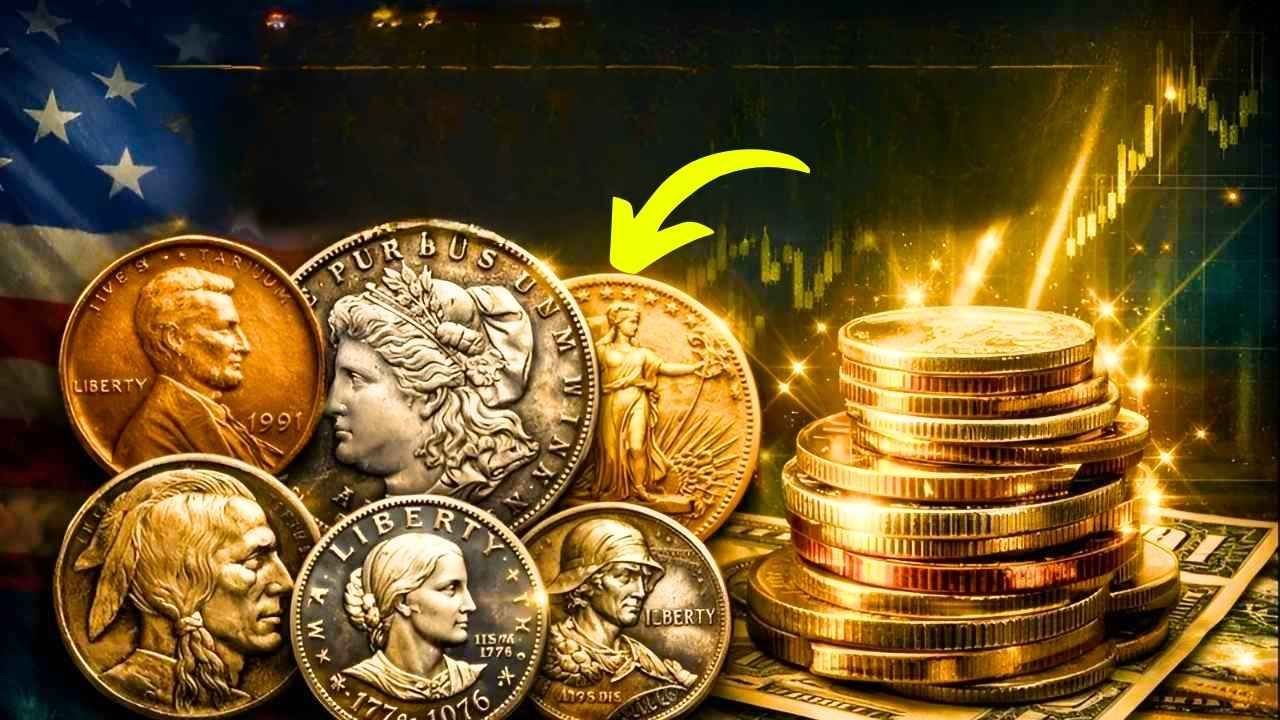
Coin collecting blends history, craftsmanship, and the excitement of uncovering hidden value. Among U.S. coins, Washington quarters hold a special place. Introduced in 1932 to commemorate the 200th anniversary of George Washington’s birth, these quarters have circulated for generations. While most are worth little more than face value, a select group of rare Washington quarters has achieved legendary status among collectors, with values reaching into the thousands.
This guide explores the most valuable Washington quarters, how to identify them, and why they remain prized assets in the world of numismatics.
The Origins of the Washington Quarter
The Washington quarter replaced the Standing Liberty quarter in 1932. Designed by sculptor John Flanagan, it features a dignified portrait of Washington on the obverse and a heraldic eagle on the reverse. From its introduction until 1964, the coin was struck in 90 percent silver, giving early issues intrinsic metal value in addition to collectible appeal.
In 1965, rising silver prices prompted the U.S. Mint to transition to a copper-nickel clad composition. This shift created a clear divide between classic silver Washington quarters and modern clad issues, a distinction that remains critical for collectors today.
Key Dates That Command High Values
Certain Washington quarters are valuable primarily because of their low mintages. These key dates form the foundation of any serious collection.
1932-D and 1932-S
The most famous Washington quarters are the 1932-D (Denver) and 1932-S (San Francisco). These were the first coins of the series, and production numbers were exceptionally low. As a result, both coins are scarce in any condition and especially rare in high grades. Well-preserved examples regularly sell for thousands of dollars, making them essential targets for collectors.
Other Low-Mintage Issues
While the 1932-D and 1932-S are the undisputed keys, several later dates with lower production numbers can also carry strong premiums when found in excellent condition.
Rare Varieties and Doubled Dies
Varieties created during the die-making process are another major source of value in Washington quarters. These coins often look ordinary at first glance, but closer inspection reveals dramatic differences.
1937 Doubled Die Obverse
This variety shows clear doubling on inscriptions such as “IN GOD WE TRUST” and “LIBERTY.” The doubling is strong enough to be seen without magnification, making it one of the most popular doubled die quarters.
1943-S Doubled Die Obverse
Another scarce doubled die, the 1943-S features visible doubling on the lettering. Because fewer examples are known, it is highly sought after by variety specialists.
1964-D Doubled Die Reverse
This silver quarter displays doubling on the reverse lettering. As one of the last silver issues, it combines metal value with variety appeal, increasing its desirability.
Overmintmarks and Mint Errors
Overmintmarks occur when one mint mark is punched over another. These errors are especially collectible because they reflect changes in minting practices.
1950-D/S Overmintmark
This variety shows a Denver “D” struck over a San Francisco “S.” The overlapping mint marks create a distinctive appearance under magnification. High-grade examples can be worth substantial sums.
The Transition to Clad Quarters
The move to clad coinage in 1965 marked a turning point. While most clad Washington quarters are common, certain exceptions stand out.
Transitional Errors
Some quarters dated after 1964 were mistakenly struck on leftover silver planchets. These transitional errors are extremely rare and can be worth thousands of dollars due to their unexpected composition.
High-Grade Early Clad Coins
Quarters from the late 1960s and early 1970s were heavily circulated, and few were saved in pristine condition. As a result, examples in top mint state grades are surprisingly scarce and increasingly valuable.
Proof and Special Issues
Proof Washington quarters are struck with specially prepared dies and polished planchets, resulting in sharp details and mirror-like surfaces.
Early Proof Quarters
The San Francisco Mint began producing proof quarters in 1936. Early proofs are scarce and command strong premiums, particularly when well preserved.
1970-S Small Date Proof
This proof variety features a subtly different date style and is much rarer than the regular issue. It is a favorite among modern proof collectors.
Deep Cameo Proofs
Proof coins with strong contrast between frosted designs and mirrored fields are known as deep cameo or ultra cameo. These examples are especially desirable and can sell for multiples of standard proof prices.
Error Coins That Excite Collectors
Mint errors are among the most visually striking and valuable Washington quarters.
Notable errors include off-center strikes where part of the design is missing, double strikes that show overlapping impressions, and quarters struck on the wrong planchets, such as those intended for dimes or nickels. Because modern mint quality control is strict, such errors are rare and highly collectible.
The Importance of Grading and Condition
Condition plays a decisive role in determining value. Washington quarters are graded on a scale from Poor to Mint State 70. Coins with sharp details, full luster, and minimal marks can be worth exponentially more than worn examples.
Professional certification from recognized grading services provides assurance of authenticity and grade. For high-value quarters, certification is often essential.
How to Identify Valuable Washington Quarters
Collectors should examine several key features when evaluating a quarter:
The date and mint mark are the first indicators of rarity. Varieties such as doubled dies or overmintmarks require magnification and careful study. Composition matters, as silver quarters are generally more valuable than clad issues. Finally, overall condition and eye appeal can significantly influence market value.
Investment Potential and Long-Term Appeal
Rare Washington quarters appeal not only to collectors but also to investors. Their value is supported by a combination of historical significance, silver content, and limited supply. Over time, demand for key dates and varieties has remained strong, making these coins attractive long-term holdings.
Conclusion
Rare Washington quarters worth thousands demonstrate how everyday coins can become extraordinary collectibles. From the iconic 1932-D and 1932-S key dates to doubled dies, overmintmarks, and rare errors, these quarters offer history, artistry, and tangible value in a single piece.
For collectors willing to study the details and invest in quality examples, Washington quarters remain one of the most rewarding areas of American numismatics, combining financial potential with a lasting connection to the nation’s past.